🚗 Autonomous Systems & Smart Mobility: The Road to a Self-Driving Future
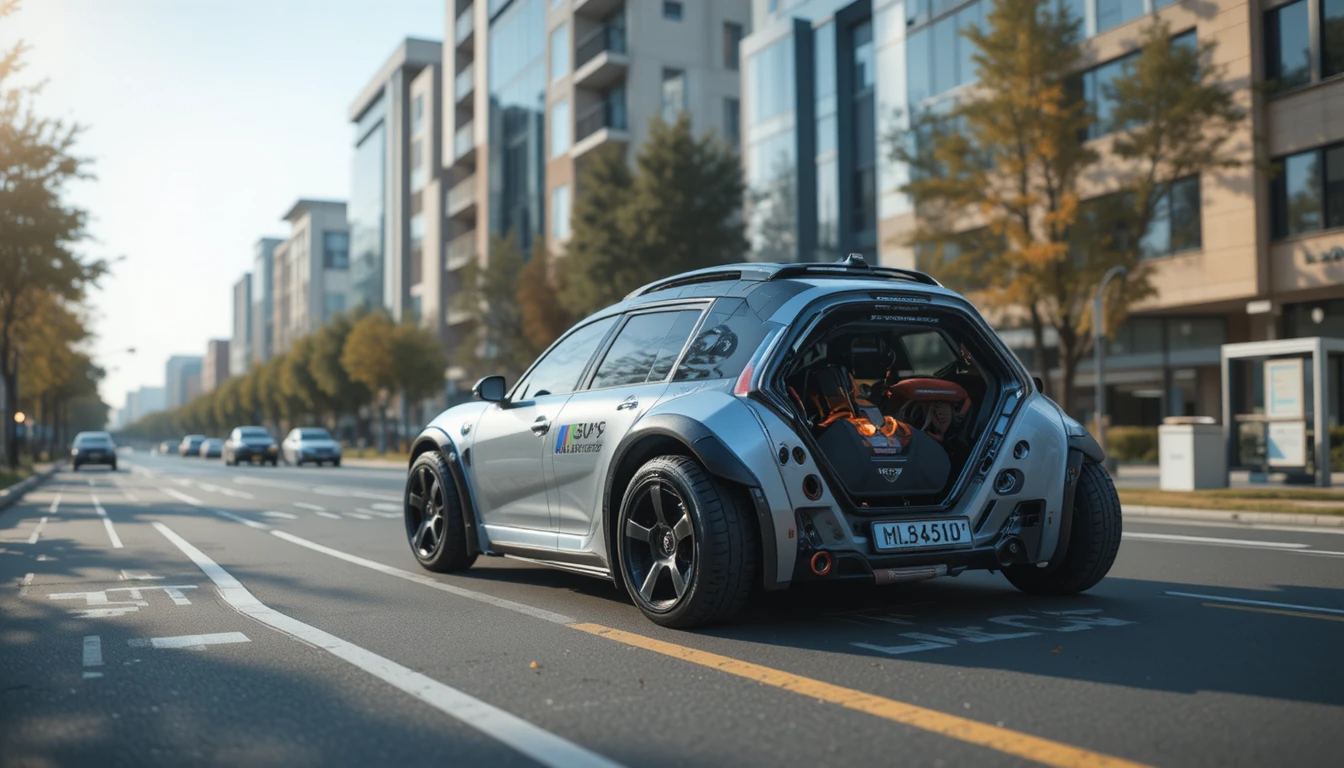
Autonomous systems and smart mobility are no longer distant science-fiction concepts. They are actively reshaping how people, goods, and services move across cities and countries. From self-driving cars and intelligent traffic systems to delivery robots and smart public transport, this technological shift is redefining transportation as we know it. As urbanization accelerates and sustainability becomes a global priority, autonomous and smart mobility solutions are emerging as one of the most transformative tech trends of this decade.
This article explores what autonomous systems and smart mobility really mean, how they work, where they are already being used, and what challenges and opportunities lie ahead.
Understanding Autonomous Systems in Mobility
Autonomous systems refer to machines or vehicles capable of operating with minimal or no human intervention. In the context of mobility, this includes self-driving cars, autonomous buses, trucks, drones, and robotic delivery units. These systems rely on a combination of technologies such as artificial intelligence (AI), machine learning, sensors, cameras, radar, lidar, GPS, and high-performance computing.
At the core of autonomous mobility is decision-making intelligence. Vehicles must be able to perceive their surroundings, interpret complex traffic situations, predict the behavior of other road users, and respond safely in real time. Unlike traditional vehicles, autonomous systems continuously learn from vast amounts of driving data, improving performance over time.
Levels of Vehicle Autonomy
Autonomous vehicles are commonly categorized into levels, ranging from partial automation to full self-driving capability.
- Level 1–2: Driver assistance systems such as adaptive cruise control, lane-keeping assist, and automated braking. Human drivers remain fully responsible.
- Level 3: Conditional automation where the vehicle can handle certain driving tasks but may require human intervention.
- Level 4: High automation, typically within specific environments like cities or highways, with little need for human control.
- Level 5: Full autonomy in all conditions, eliminating the need for a steering wheel or human driver.
Currently, most commercially available vehicles operate at Level 2, while pilot programs around the world are testing Level 4 autonomy in controlled environments.
What Is Smart Mobility?
Smart mobility goes beyond autonomous vehicles. It refers to an integrated, technology-driven transportation ecosystem designed to be efficient, sustainable, and user-centric. Smart mobility combines digital infrastructure, connected devices, real-time data, and intelligent systems to optimize how transportation networks function.
Key elements of smart mobility include:
- Connected vehicles communicating with each other and with infrastructure
- Smart traffic management systems
- Electric and shared transportation models
- Mobility-as-a-Service (MaaS) platforms
- Data-driven urban planning
Together, these elements aim to reduce congestion, lower emissions, improve safety, and enhance the overall travel experience.
The Role of AI and Data in Autonomous Mobility
Artificial intelligence is the backbone of autonomous systems. AI enables vehicles to recognize objects, read road signs, detect pedestrians, and understand traffic signals. Advanced algorithms process sensor data in milliseconds, allowing vehicles to make split-second decisions.
Data plays an equally critical role. Autonomous vehicles generate massive amounts of data every day, including video feeds, sensor readings, and driving behavior patterns. This data is used to:
- Train machine learning models
- Improve navigation and route planning
- Enhance safety through predictive analytics
- Support real-time traffic optimization
Cloud computing and edge computing work together to ensure fast processing and continuous learning while maintaining reliability.
Smart Cities and Intelligent Transportation Systems
Autonomous systems are most effective when integrated into smart cities. Intelligent Transportation Systems (ITS) use digital technologies to monitor and manage traffic flow, public transportation, and road safety.
Examples include:
- Smart traffic lights that adapt in real time to congestion
- Vehicle-to-infrastructure (V2I) communication
- Dynamic toll pricing and parking management
- AI-powered traffic prediction and incident detection
By connecting autonomous vehicles with city infrastructure, smart mobility solutions can significantly reduce travel time, fuel consumption, and accident rates.
Autonomous Public Transport
Public transportation is one of the earliest adopters of autonomous mobility. Autonomous buses, trams, and shuttles are being tested and deployed in various cities worldwide. These vehicles often operate on fixed routes, making them ideal candidates for automation.
Benefits of autonomous public transport include:
- Reduced operational costs
- Increased service frequency
- Improved accessibility for elderly and disabled passengers
- Lower emissions when combined with electric powertrains
In the long term, autonomous public transport could make cities less dependent on private car ownership.
Logistics, Delivery, and Commercial Applications
One of the most impactful applications of autonomous systems is in logistics and freight transport. Autonomous trucks, delivery robots, and drones are transforming supply chains by improving efficiency and reducing costs.
Key use cases include:
- Self-driving long-haul trucks on highways
- Autonomous warehouse vehicles
- Last-mile delivery robots in urban areas
- Drone delivery for remote or urgent shipments
These technologies help address labor shortages, reduce delivery times, and optimize fuel usage, making logistics faster and more sustainable.
Electric Vehicles and Sustainability
Smart mobility is closely linked with electric vehicles (EVs). Many autonomous vehicles are electric by design, aligning with global efforts to reduce carbon emissions and combat climate change.
Combining autonomy with electrification offers several advantages:
- Lower environmental impact
- Reduced noise pollution in cities
- Lower operating and maintenance costs
- Integration with renewable energy and smart grids
As governments push for greener transportation policies, the synergy between autonomous systems and electric mobility is expected to grow rapidly.
Safety and Ethical Considerations
Safety is both the biggest promise and the greatest challenge of autonomous mobility. Human error accounts for a large percentage of road accidents, and autonomous systems have the potential to significantly reduce fatalities. However, ensuring reliability in all driving conditions remains a major hurdle.
Ethical questions also arise, such as:
- How should autonomous vehicles make decisions in unavoidable accident scenarios?
- Who is responsible in case of system failure?
- How can bias in AI models be prevented?
Regulators, manufacturers, and researchers are working together to establish standards, testing protocols, and ethical frameworks to address these concerns.
Cybersecurity and Privacy Challenges
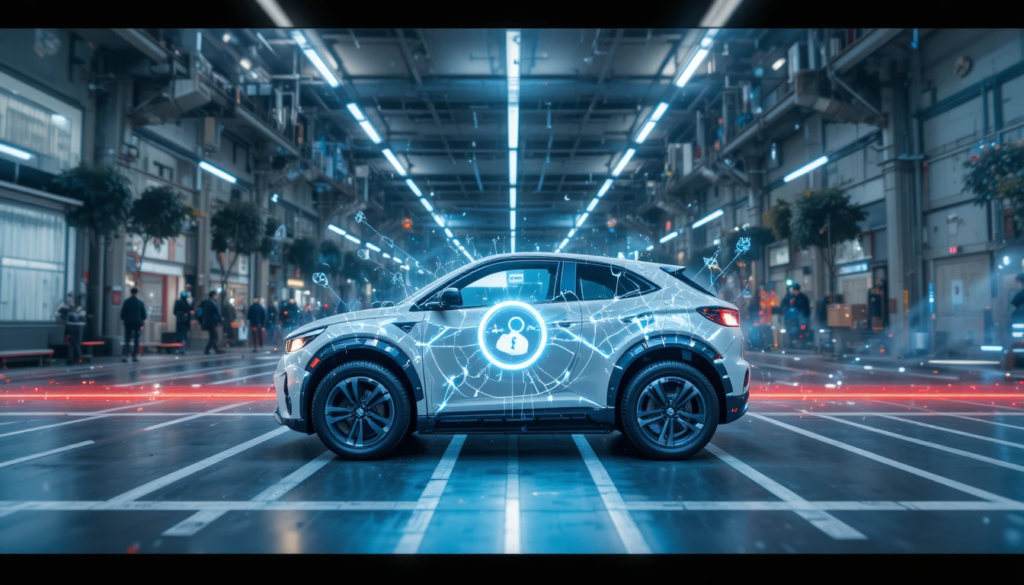
As vehicles become more connected, cybersecurity becomes a critical issue. Autonomous and smart mobility systems rely on constant data exchange, making them potential targets for cyberattacks.
Key concerns include:
- Vehicle hacking and system manipulation
- Data privacy and user tracking
- Secure communication between vehicles and infrastructure
Robust encryption, secure software updates, and strict data governance policies are essential to maintaining trust in autonomous mobility solutions.
Economic and Social Impact
The rise of autonomous systems will have wide-ranging economic and social effects. While new industries and job opportunities will emerge in AI, software, and mobility services, traditional driving jobs may face disruption.
At the same time, autonomous mobility could:
- Improve access to transportation in underserved areas
- Increase mobility for people unable to drive
- Reduce transportation costs
- Boost productivity by freeing up travel time
Managing this transition responsibly will require reskilling programs, inclusive policies, and long-term planning.
The Road Ahead
Autonomous systems and smart mobility are still evolving, but their trajectory is clear. As technology matures, infrastructure improves, and regulations adapt, autonomous mobility will become an integral part of everyday life.
In the coming years, we can expect:
- Wider deployment of Level 4 autonomous vehicles
- Deeper integration with smart city infrastructure
- Growth of shared and on-demand mobility services
- Stronger focus on sustainability and safety
Rather than replacing human drivers overnight, autonomous systems will gradually augment and transform transportation, making it safer, cleaner, and more efficient.
Conclusion
Autonomous systems and smart mobility represent a fundamental shift in how societies move and connect. By combining artificial intelligence, connectivity, and sustainable design, these technologies have the potential to solve some of the most pressing transportation challenges of modern times. While obstacles remain, the progress so far suggests that the future of mobility will be intelligent, autonomous, and deeply integrated into the fabric of smart cities.