
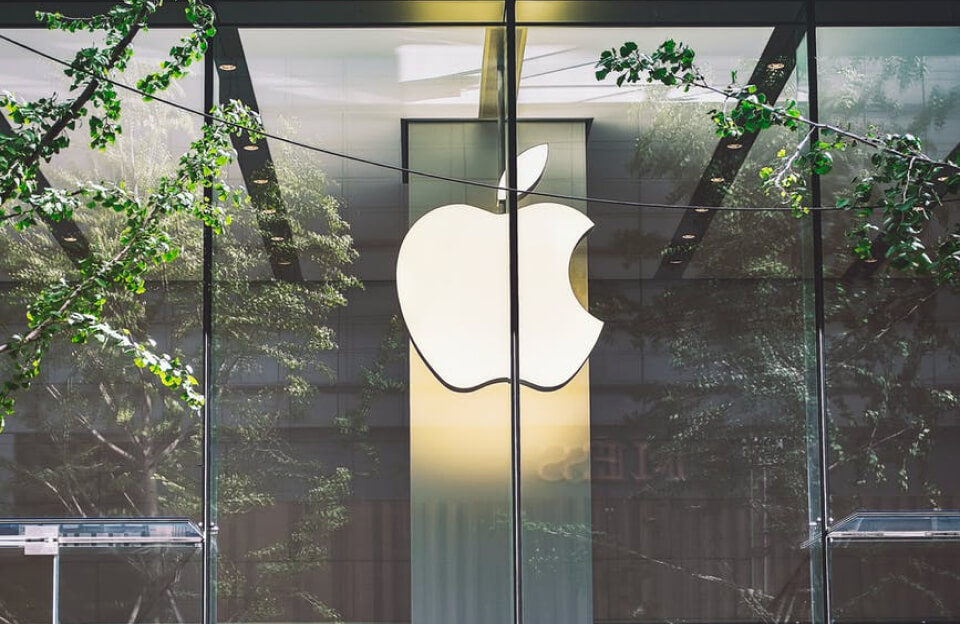
Apple has once again expanded its footprint in China, opening another massive retail megastore in one of the world’s most competitive consumer markets. The move comes amid renewed criticism from former U.S. Attorney General William Barr and other American political figures who have questioned Apple’s deep business ties with China.
This latest development highlights the complex relationship between global technology companies, geopolitics, supply chains, consumer markets, and corporate strategy. Apple’s expansion in China is not just a retail story—it is a powerful signal about the future of global trade, U.S.–China relations, and the strategic direction of one of the world’s most valuable companies.
In this in-depth, SEO-friendly analysis, we explore Apple’s new megastore in China, the political controversy surrounding the company, William Barr’s criticism, Apple’s China strategy, the economic implications, and what it all means for investors, consumers, and the tech industry.
Apple’s Expanding Retail Presence in China
Apple’s retail strategy has always been a major pillar of its brand identity. From glass-fronted architectural masterpieces to sleek, minimalist interiors, Apple Stores are designed to be more than just retail spaces—they are immersive brand experiences.
The newly opened megastore in China continues this tradition. Located in a high-profile commercial district, the store features:
- Expansive glass façade architecture
- Dedicated product experience zones
- A large Genius Bar for technical support
- Today at Apple creative sessions
- Enhanced Apple Vision Pro and iPhone demonstration areas
China remains one of Apple’s most critical markets. With over a billion potential consumers and a rapidly growing middle class, the country represents both a sales engine and a manufacturing backbone for the company.
Why China Matters So Much to Apple
China is central to Apple for two main reasons:
- Consumer Market – China is one of Apple’s largest revenue-generating regions. iPhone sales in Greater China significantly impact quarterly earnings.
- Manufacturing Hub – The majority of Apple’s supply chain, including iPhone assembly, has historically been based in China.
Opening another megastore signals Apple’s confidence in continued demand for premium devices in the Chinese market, despite rising competition from domestic brands like Huawei, Xiaomi, and Oppo.
William Barr’s Criticism of Apple
Former U.S. Attorney General William Barr has previously criticized American tech companies—including Apple—for what he sees as excessive reliance on China.
Barr has argued that major corporations are:
- Too dependent on Chinese manufacturing
- Compromising U.S. economic security
- Failing to diversify supply chains
- Potentially vulnerable to political leverage
His criticism reflects broader bipartisan concerns in the United States regarding:
- National security
- Intellectual property protection
- Supply chain resilience
- Corporate responsibility in authoritarian markets
Apple’s decision to continue expanding its retail presence in China comes at a time when Washington is actively encouraging companies to diversify manufacturing into countries like India, Vietnam, and Mexico.
The Geopolitical Context: U.S.–China Tensions
Apple’s megastore opening cannot be viewed in isolation. It occurs amid ongoing geopolitical tension between the United States and China.
Key issues include:
- Trade tariffs
- Technology export restrictions
- Semiconductor supply chain controls
- Data privacy concerns
- Taiwan-related tensions
The tech sector has been at the center of this rivalry. The U.S. has restricted advanced chip exports to China, while China has encouraged domestic technology self-sufficiency.
In this climate, Apple’s balancing act becomes more complicated.
Walking a Strategic Tightrope
Apple must simultaneously:
- Maintain strong relations with Chinese regulators
- Protect its global brand
- Satisfy U.S. political stakeholders
- Ensure stable supply chains
- Reassure investors
Opening a megastore sends a message to Chinese consumers and authorities that Apple remains committed to the market. However, it also invites scrutiny from U.S. policymakers who worry about corporate exposure to geopolitical risk.
Apple’s Supply Chain Diversification Strategy
Despite criticism, Apple has begun gradually diversifying its manufacturing footprint.
Expansion into India
India has emerged as a key alternative manufacturing base for Apple. In recent years:
- Apple suppliers have expanded iPhone assembly in India
- India now manufactures multiple iPhone models
- The Indian government has provided production incentives
This shift is part of a broader “China+1” strategy, where companies maintain Chinese operations while adding capacity elsewhere.
Vietnam and Southeast Asia
Apple has also increased production in Vietnam, particularly for:
- AirPods
- Apple Watch
- Mac components
However, completely moving away from China is nearly impossible in the short term due to:
- Advanced manufacturing infrastructure
- Skilled workforce
- Integrated supply networks
- Economies of scale
Thus, while Apple diversifies, China remains indispensable.
Competition in the Chinese Smartphone Market
Opening a megastore is also a competitive statement.
Chinese smartphone brands have strengthened significantly:
- Huawei has rebounded with advanced chips
- Xiaomi offers premium models at competitive prices
- Oppo and Vivo dominate mid-range segments
Apple faces increasing pressure in China’s high-end smartphone market.
Premium Brand Positioning
Apple’s retail strategy supports its premium positioning. Unlike competitors that rely heavily on third-party retailers, Apple invests in iconic physical stores to reinforce:
- Brand prestige
- Customer experience
- Direct customer relationships
This approach strengthens loyalty and increases services revenue through:
- AppleCare
- iCloud
- Apple Music
- App Store purchases
Economic Implications of Apple’s China Expansion
Apple’s megastore opening has ripple effects beyond retail.
Job Creation
Large Apple stores create:
- Retail employment opportunities
- Technical support jobs
- Training and creative workshop roles
Local Economic Boost
Megastores often attract foot traffic, increasing sales for nearby businesses.
Investor Confidence
For investors, continued expansion signals:
- Confidence in long-term China revenue
- Stable demand forecasts
- Strong global growth strategy
However, geopolitical risk remains a variable influencing stock volatility.
Political and Ethical Questions
William Barr’s criticism also touches on broader ethical concerns:
- Should American companies reduce exposure to authoritarian regimes?
- Are corporate profits outweighing national security concerns?
- How should tech giants balance global markets and domestic political pressure?
Apple has faced scrutiny in the past regarding:
- App Store compliance with Chinese regulations
- Data storage policies in China
- Content moderation policies
These issues complicate Apple’s global brand narrative.
Apple’s Retail Strategy in the Digital Age
In an era dominated by e-commerce, why continue opening physical megastores?
Experience Over Transaction
Apple Stores are less about transactions and more about:
- Hands-on product interaction
- Community engagement
- Technical education
- Brand immersion
The megastore format enhances this experience.
Apple Vision Pro and Future Products
With new product categories emerging—like mixed reality headsets—physical retail spaces become even more important for demonstrations.
Market Reaction and Stock Performance
Apple’s stock performance often reacts to:
- China sales data
- Regulatory developments
- Supply chain news
- Political commentary
While Barr’s criticism reflects political tension, markets typically focus on:
- Earnings growth
- Margins
- Services revenue expansion
If China sales remain strong, investor concerns may ease.
The Long-Term Outlook for Apple in China
Looking ahead, several scenarios could shape Apple’s future:
Scenario 1: Stable Growth
If U.S.–China tensions stabilize, Apple may continue expanding in China while diversifying manufacturing.
Scenario 2: Increased Restrictions
Further tech sanctions or political escalation could disrupt supply chains.
Scenario 3: Domestic Chinese Competition Intensifies
Huawei’s resurgence could pressure Apple’s premium segment.
Conclusion: Strategy Over Symbolism
Apple’s new megastore in China amid William Barr criticism reflects the reality of global business in a divided world.
Apple cannot ignore China:
- It is too large a market
- Too integrated into supply chains
- Too critical to revenue
At the same time, Apple cannot ignore U.S. political pressure.
The company’s strategy appears to be pragmatic rather than ideological:
- Expand retail where demand exists
- Diversify manufacturing gradually
- Maintain global brand leadership
- Navigate geopolitical risk carefully
In today’s global economy, technology companies operate across borders—even when governments clash. Apple’s megastore opening is not merely a retail event; it is a case study in modern corporate geopolitics.
As U.S.–China tensions evolve, Apple’s decisions will continue to serve as a bellwether for the broader tech industry, international trade policy, and the future of global supply chains.



i think no matter what asian countries will always be more dominated by andriod brands
i agree