That’s a fascinating and evocative phrase. While not a common scientific term, “Watching Their Dust: Photographing Players in Pollination” beautifully frames the cutting-edge work of high-speed macro photography used to reveal the hidden dynamics of pollination. Here’s a breakdown of what this means.
The “Dust”: More Than Just Dust
The “dust” in the metaphor refers to pollen, of course, but also to the microscopic particles, hairs, and turbulence stirred up during these high-speed interactions. Advanced photography captures this as a visible cloud or plume, telling a story of force, contact, and transfer.
The “Players”: A Cast of Characters
This involves photographing not just bees, but the entire roster of pollinators:
- Fast & Furious: Hummingbirds, hawk moths, and bats, captured in mid-hover with specialized high-speed flashes.
- Small & Subtle: Solitary bees, flies, beetles, and even wasps, whose precise pollen-gathering mechanics are now visible.
- The Blur of Wings: The technique freezes wingbeats that are normally a blur, showing the biomechanics that allow precise positioning.
The Technology: “Photographing” the Unseen
This isn’t standard photography. It involves:
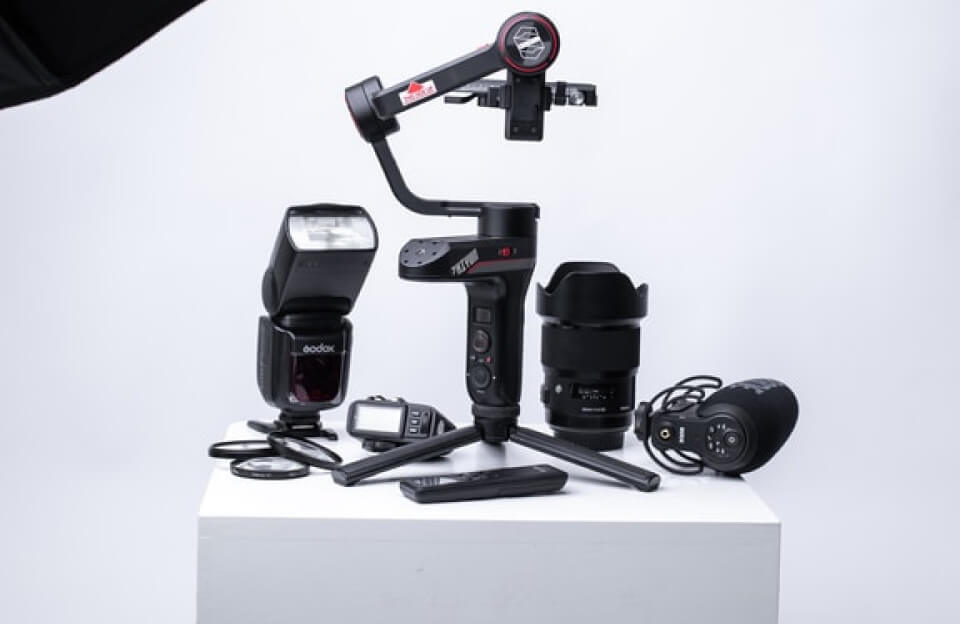
- High-Speed Macro Photography: Cameras that take thousands of frames per second, paired with macro lenses for extreme close-ups.
- Specialized Lighting: Using brief, high-intensity flashes (often strobes) to “freeze” motion without motion blur.
- Focus Stacking: Combining multiple images with different focus points to create a completely sharp image of a 3D subject.
The Scientific Payoff: Beyond the Beautiful Image
These images are powerful research tools that help scientists:
- Understand Efficiency: See exactly which parts of a pollinator’s body contact the anthers (pollen-producing parts) and stigma (pollen-receiving part) of a flower.
- Document “Buzz Pollination”: Visually capture the exact vibrations bees use to shake pollen loose from flowers like tomatoes and blueberries.
- Reveal Competition & Theft: Show how some insects (like “nectar robbers”) bypass pollination altogether, or how pollen is transferred between incompatible flowers.
- Track Environmental Impact: Document how pesticides or pollution might affect a pollinator’s behavior and physical ability to carry pollen.
The Poetic Conclusion
“Watching Their Dust” transforms pollination from a simple, idyllic notion into a dynamic, physical drama. It allows us to witness the precise moment of ecological connection—a transaction vital to life on Earth. This blend of art, technology, and ecology gives us a profound new appreciation for the miniature athletes playing the ultimate game of survival in our gardens and fields.